Live Dealer Blackjack Rule Variations in Casinos
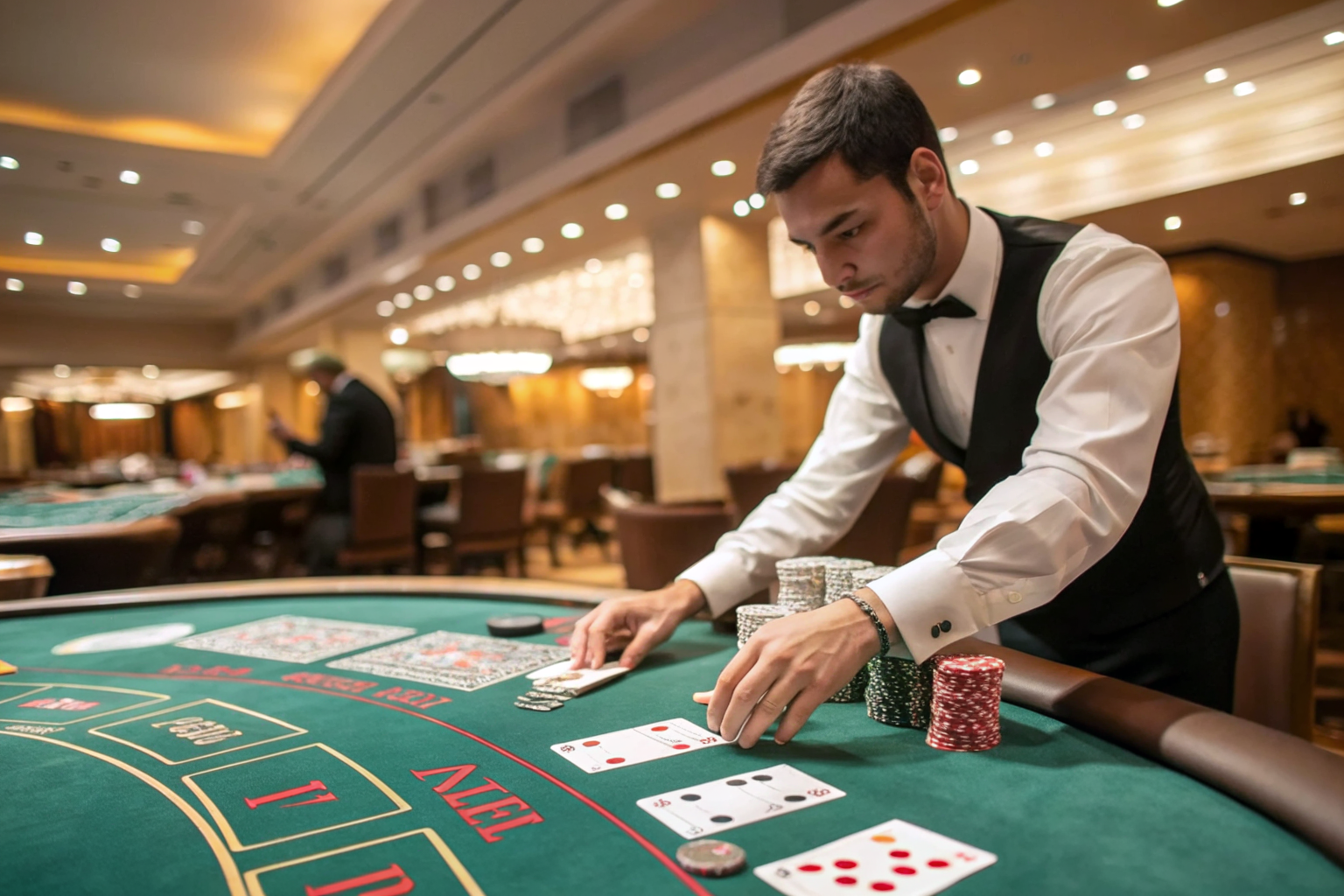
The world of live dealer blackjack has revolutionized the online gaming experience in India, bringing the authentic atmosphere of land-based casinos directly to players’ screens. While the fundamental objective remains the same – beating the dealer’s hand without exceeding 21 – the specific rules governing these games can vary significantly across different platforms and providers. Understanding these variations is crucial for players looking to maximize their winning potential and make informed strategic decisions.
Indian players have embraced live dealer blackjack for its transparency, real-time interaction, and professional dealers who create an immersive gaming environment. However, the subtle rule differences between various live blackjack offerings can dramatically impact house edge, optimal strategy, and overall gameplay experience. From dealer standing requirements to surrender options, each variation presents unique opportunities and challenges that savvy players must navigate.
Popular Live Blackjack Variations in Indian Markets
Evolution Gaming’s Standard Rules
Evolution Gaming dominates the live dealer space in India, offering several blackjack variants with distinct rule sets. Their classic blackjack follows European-style rules where dealers stand on all 17s, including soft 17. Players can double down on any two cards and split up to three times, creating four hands maximum. The dealer checks for blackjack when showing an Ace or 10-value card, which protects players from losing additional money on splits and doubles.
Insurance is available when the dealer shows an Ace, paying 2:1 odds. Side bets like Perfect Pairs and 21+3 are commonly offered, though these carry higher house edges. Evolution’s games typically use eight decks shuffled after approximately 50% penetration, maintaining game flow while preventing card counting advantages.
Pragmatic Play Live Variations
Pragmatic Play’s live blackjack offerings introduce several player-friendly variations that appeal to Indian audiences. Their one blackjack variant allows unlimited players to bet behind the main seven seats, creating a more inclusive experience. The dealer hits soft 17 in most Pragmatic variants, slightly increasing the house edge but creating more dynamic gameplay.
Double down restrictions vary across their tables, with some allowing doubles only on 9, 10, or 11, while premium tables permit doubling on any two cards. Surrender options are available on select tables, giving players the ability to forfeit half their bet when facing unfavorable situations. The pre-decision feature allows faster gameplay by enabling players to make decisions before their turn arrives.
Dealer Standing Rules and Their Impact
Soft 17 Variations
The dealer’s action on soft 17 represents one of the most significant rule variations affecting player odds. When dealers hit soft 17 (Ace-6), the house edge increases by approximately 0.22% compared to standing on all 17s. This rule change forces players to adjust basic strategy, particularly when holding 11 against a dealer’s Ace, where doubling becomes less favorable.
Many Indian-focused live blackjack tables implement the “dealer hits soft 17” rule, requiring players to adopt more conservative approaches in certain situations. The additional dealer card creates more opportunities for improvement but also increases bust potential, creating a complex dynamic that experienced players must factor into their decision-making process.
Peek Rules for Natural Blackjacks
European no-peek rules, common in many live dealer games, prevent dealers from checking for blackjack until all player actions are complete. This variation significantly impacts strategy when the dealer shows an Ace or 10-value card, as players risk losing additional money on splits and doubles even when the dealer has a natural blackjack.
American-style peek rules, where dealers immediately check for blackjack, offer better player protection but are less common in live dealer environments. Some providers offer a hybrid approach where the hole card is dealt but not revealed until appropriate, maintaining suspense while providing mathematical fairness.
Doubling Down and Splitting Restrictions
| Rule Variation | House Edge Impact | Strategic Adjustment | Common in India |
|---|---|---|---|
| Double on Any Two | -0.25% | Liberal doubling strategy | Very Common |
| Double 9-11 Only | +0.09% | Conservative approach | Moderate |
| Split Aces Once | Standard | Always split Aces | Universal |
| Resplit to 4 Hands | -0.03% | Aggressive splitting | Common |
| Double After Split | -0.14% | Enhanced splitting value | Very Common |
Doubling Restrictions and Strategy Adjustments
Live dealer blackjack tables in India typically offer liberal doubling rules, allowing players to double down on any two-card total. This player-favorable rule reduces the house edge significantly and enables optimal strategy implementation. However, some budget tables restrict doubling to hard totals of 9, 10, or 11 only, requiring strategic modifications.
When doubling restrictions apply, players must hit rather than double certain hands like soft 18 versus a dealer’s 3-6, or hard 8 versus a dealer’s 5-6. These situations, while infrequent, compound over time and require mental adjustment from players accustomed to unrestricted doubling environments.
Surrender Options and Late Game Decisions
Surrender availability varies dramatically across live dealer platforms serving Indian players. Early surrender, where players can forfeit half their bet before the dealer checks for blackjack, is extremely rare but offers the most player protection. Late surrender, available after the dealer confirms no natural blackjack, appears on select premium tables and provides valuable escape options in unfavorable situations.
The surrender option becomes particularly valuable when holding hard 15 or 16 against dealer 9, 10, or Ace. Without surrender, these represent the worst possible player situations, with expected losses exceeding 50%. The ability to surrender reduces losses to exactly 50%, making it a crucial rule variation for serious players to seek out.
Mathematical analysis shows surrender reduces the overall house edge by approximately 0.07% when used correctly. However, many recreational players overuse or underuse this option, highlighting the importance of understanding proper surrender strategy before engaging with tables offering this rule.
Side Bets and Additional Wagering Options
Perfect Pairs and 21+3 Integration
Live dealer blackjack tables commonly feature Perfect Pairs side bets, allowing players to wager on their first two cards forming a pair. Mixed pairs (different suits, same rank) typically pay 5:1, colored pairs (same color, different suits) pay 10:1, and perfect pairs (identical rank and suit) offer 30:1 payouts. Despite attractive odds, the house edge on Perfect Pairs ranges from 3.37% to 10.05% depending on deck configuration.
The 21+3 side bet combines player cards with the dealer’s upcard to form poker hands. Flush, straight, and three-of-a-kind combinations offer various payouts, with suited three-of-a-kind providing the highest returns at 100:1. While entertaining, these side bets carry house edges between 3.24% and 13.39%, making them poor long-term value propositions despite their popularity among Indian players.
Bet Behind and Multi-Player Features
Many live dealer tables implement bet behind functionality, allowing unlimited players to wager on the decisions made by the seven main seat occupants. Bet behind players receive the same payouts as the controlling player but cannot influence game decisions. This feature creates more inclusive gameplay but introduces dependency on other players’ strategic competence.
Some platforms offer side bet insurance for bet behind players, protecting against the main player’s potentially poor decisions. Hot player indicators and statistical displays help bet behind participants choose wisely, though following basic strategy yourself remains the optimal approach regardless of the controlling player’s actions.
Regional Preferences and Cultural Adaptations
Live dealer blackjack providers serving Indian markets have adapted their offerings to match local preferences and gaming behaviors. Hindi-speaking dealers have become increasingly common, creating more comfortable environments for domestic players. Cultural celebrations and themed tables during Diwali, Holi, and other festivals demonstrate providers’ commitment to the Indian market.
Betting limits reflect Indian player preferences, with micro-stakes tables starting at ₹25 per hand alongside high-roller options exceeding ₹5,00,000 per hand. This range accommodates recreational players and serious gamblers alike, though rule variations often correlate with stake levels, with premium tables offering more player-friendly conditions.
Payment integration with popular Indian methods like UPI, Paytm, and PhonePe has streamlined the gaming experience. Rupee-denominated tables eliminate currency conversion concerns, while local banking partnerships reduce transaction fees and processing times. These adaptations have contributed significantly to live dealer blackjack’s growing popularity among Indian players.
Optimal Strategy Adjustments for Rule Variations
Basic Strategy Modifications
Rule variations necessitate strategic adjustments that can significantly impact long-term results. When dealers hit soft 17, players should double down less frequently with 11 versus Ace and avoid doubling soft hands against dealer Aces entirely. These modifications might seem minor but compound over thousands of hands played.
Surrender availability fundamentally alters strategy for the worst player hands. With late surrender, hard 15 versus dealer 10 becomes a surrender situation rather than a hit, while hard 16 versus dealer 9, 10, or Ace should be surrendered when possible. Players must memorize these exceptions to maximize the benefit of surrender rules.
European no-peek rules require the most dramatic strategy changes. Players should avoid doubling or splitting against dealer Aces and 10-value cards when the dealer doesn’t immediately check for blackjack. This conservative approach protects against losing additional money to dealer naturals, though it does slightly increase the house edge.
Bankroll Management Considerations
Different rule sets impact bankroll volatility and required session stakes. Liberal splitting and doubling rules increase variance as players put more money into action on favorable hands. Conservative players should budget for these additional bets when playing at tables with player-friendly rules, as optimal strategy demands more aggressive wagering.
Side bet availability creates temptation for recreational players but should generally be avoided by those focused on optimal play. The entertainment value of Perfect Pairs and 21+3 comes at a significant mathematical cost that erodes bankroll faster than main game losses. Disciplined players allocate specific entertainment budgets for side bets rather than treating them as profit opportunities.
Understanding rule variations enables better table selection and expected return calculations. Players serious about long-term success should prioritize tables with favorable rules even if minimum bets are slightly higher, as the reduced house edge provides better value over extended play sessions.